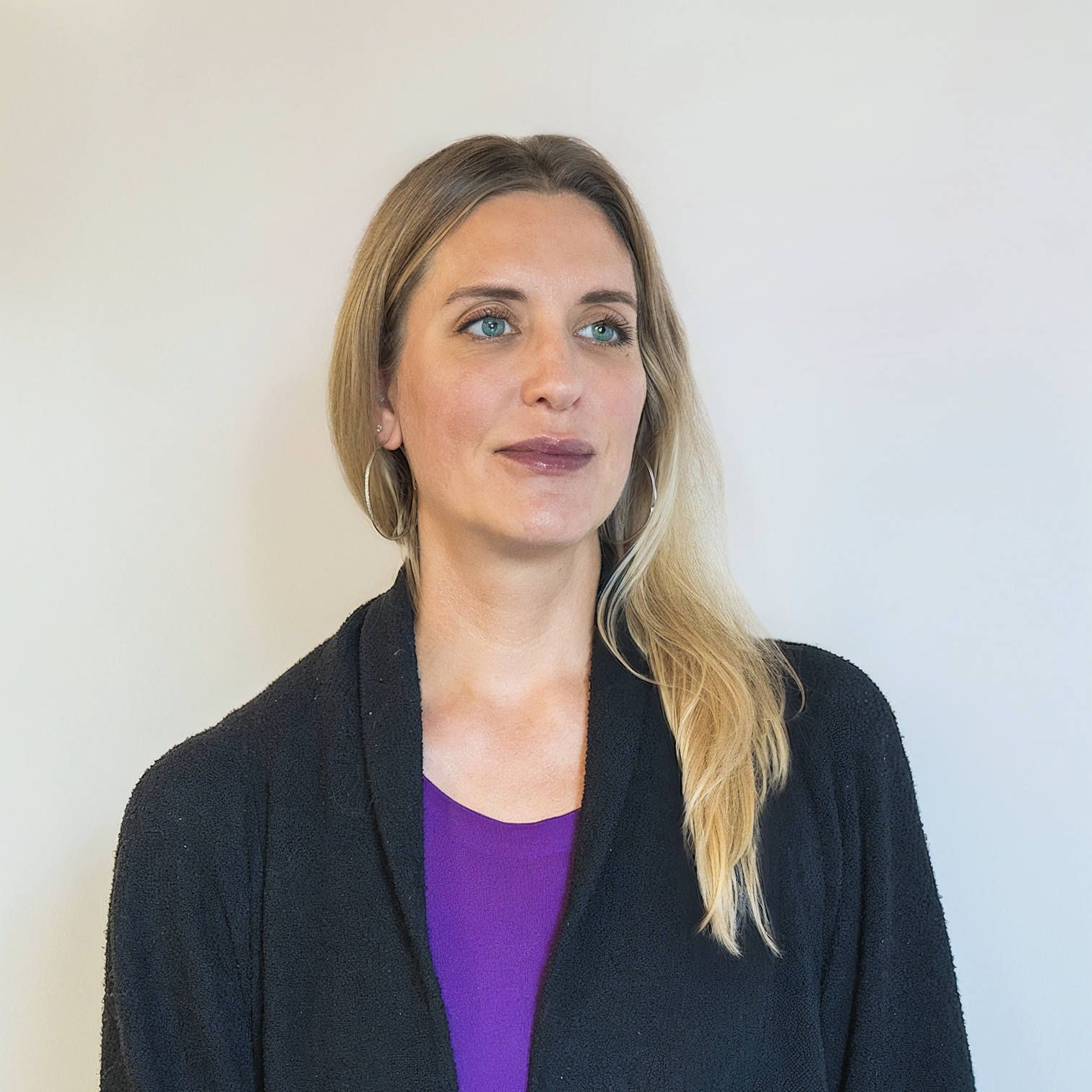
Lesley Gray is a Dubai and Los Angeles-based curator, cultural consultant and researcher whose work navigates contemporary art practices and institutional settings across the Arabian Peninsula and Caspian Sea regions. With formal education in Anthropology and Contemporary Art, and a doctorate in Museum Studies from University College London focused on contemporary art institutions in the GCC and Caspian Sea regions, Gray operates at the intersection of cultural infrastructure-building.
Over the past decade, she has worked across large-scale institutional projects in the Gulf and independent collaborations with artists and local creative milieus in Azerbaijan and the broader post-Soviet region. A long-term collaborator with the Baku-based art and media platforms, Lesley Gray has curated exhibitions and initiatives addressing pressing social issues, supported artists from the region through sustained project leadership – including the annual Her Art in Action festival – and written extensively on the region for ArtAsiaPacific, as well as for art publications in Kazakhstan and Kyrgyzstan. In 2022, she published “Azerbaijan Contemporary Art”, a landmark volume developed in collaboration with VarYox, bringing together the leading voices of Azerbaijan’s contemporary art scene.
In this conversation, Lesley Gray reflects on the intersection of her curatorial and academic practice, the evolving art ecosystems of the Caucasus, Central Asia, and the GCC, and the responsibilities of curators, institutions, and collectors operating within post-colonial and emerging cultural contexts.
By the time Gray completed her PhD in 2019, she had already accumulated comprehensive curatorial experience across the Caspian region and the Arabian Gulf.
Having lived in the GCC since 2008, she witnessed first-hand a period of accelerated development of the cultural landscape. “My interest in the Caspian region grew out of this – geographically and culturally there are many similarities, and it made sense to consider the art scenes of both in the larger context of West Asia”, she explains.
While her primary professional focus often is on large-scale landmark projects in the Gulf, Gray has consistently balanced this with smaller, emerging initiatives. “One of the most profound things that came out of my PhD experience was the recommendation by my examiners that I further expand on my curatorial efforts working with artists and art communities at a grassroots level. This was already aligned with what I had been doing in more of an ad hoc way, but their feedback gave me validation to continue and deepen my practice working on a smaller, more personal scale in the art world in the region. I have been lucky enough to do so in a sustained way in Azerbaijan”, the curator notes.
Relationship-building across artistic and public contexts has always been central to her practice.
This commitment predates her curatorial work: “As a young person, I was heavily involved in the music scene in my city and that was a great education. Putting on shows, connecting with local communities, involving advocacy in our work – it all had a huge impact on me”, Gray says. She frames curating as the practice of positioning artistic voices within larger frameworks while opening pathways for audiences to engage, interpret, and connect. Exhibitions, from this perspective, function as platforms for wider reach and impact, supporting artist development, fostering dialogue. The exclusivity of the art world, she contends, is one of its most damaging features: “This is not sustainable for the artists from a market perspective or for audiences as the public, and there is a reciprocal effect. We need to grow together”.
From her experience working across the Caucasus and Central Asia,
Gray describes the present moment as particularly fertile. Across the region, new institutions are emerging in response to colonial and post-colonial legacies that shaped earlier cultural narratives. “One aspect of the post-Soviet context is that a top-down approach to the art scene remains, but this is also being recast by the involvement of private donors, the proliferation of grassroots arts initiatives, and artist and curator-led spaces that seek to recenter institutional narratives”, the curator reflects. She additionally notes that funding remains a persistent challenge, requiring collaboration between governments, private entities, and independent actors – yet this complexity also creates space for experimentation and recalibration.
When considering how past ideological structures continue to inform decision-making within these ecosystems today, Gray points to curatorial positioning as the most visible site of influence. Institutions inevitably support particular narratives, and these narratives shape how art is presented and valued. Institutional validation affects collecting patterns and artists’ careers. She nevertheless underscores the importance of looking beyond the practice of major institutions. Independent platforms, local exhibitions, and emerging galleries are often where curators “can take more risks, take chances on artists”, free from heavier ideological pressures. Collectors who engage at this level can play a decisive role, providing forms of market validation that energize the market, advance contemporary narratives, and counter stagnation.
Despite significant social, political, and economic shifts in the region,
Gray notes that the art market, particularly for emerging artists, remains small. Collecting is still largely limited, and “there is always an opportunity for more growth”. Growth, she points out, depends on education and engagement: cultivating audiences, demystifying collecting, and helping new collectors understand their role within the ecosystem. “Galleries play a crucial role here in being the bridge between artists and their audiences”, she says.
International interest in the art from the Caucasus and Central Asia
has increased markedly in recent years, driven by a wave of new, locally developed initiatives. The curator points to major projects such as the Bukhara Biennial in Uzbekistan, the opening of the Almaty Museum of Arts and the Tselinny Center of Contemporary Culture in Kazakhstan, and Azerbaijan’s Fly to Baku art weekend. The forthcoming opening of the new Center for Contemporary Art in Tashkent “will only increase interest”. What distinguishes these initiatives, she emphasizes, is that they “offer embedded, contextual perspectives”.
“There are also many new cultural partnerships between countries in the GCC, for example, and Central Asia due to the shared regional, cultural and religious history; this also reflects a desire for increased economic ties. We will continue to see these initiatives increase, and with them, interest from the global art world. I feel like we are at the beginning of this wave – the art world loves new ideas, artists and geographies, they always want to be at the forefront of what is next”, she adds.
Past isolation from global discourse continues to influence the region’s artistic trajectories today, often to creative effect.
Many artists engage critically with questions of national, ethnic, and personal identity, reinterpreting and rearticulating readings that were previously defined through ethnocentric frameworks. “Shaped by conflict, migration, economic collapse, and regeneration, the region is an important addition to larger art discourses, especially in dialogue with other regions that have faced the [similar conditions]”, the curator observes.
Through years of active engagement, Lesley Gray has navigated a significant transformation in her curatorial perspective. Reflecting on the early work in the region, she recalls approaching it as an “outsider”, trying to position local art as a “puzzle piece” within the broader global discourse. Over a decade of on-site collaboration in the region, she came to see that no art scene exists merely as part of a larger whole. “Global as a term itself is problematic, as it assumes a shared set of global conditions, which does not reflect reality. Geographic categorization also risks being monolithic, totalizing, without nuance. The Caucasus and Central Asia have shared histories and cultural features but are very different – this is a huge, diverse geography and population. If discourse is dialogue, then this feels much more appropriate. The most profound shift that I have experienced is to understand that my role as a curator is to facilitate dialogue and take myself out of it; I do not make assumptions about anything, but instead try to create a space for a conversation to unfold”, she underscores.
Asked about the structural differences between the GCC and post-Soviet Caucasus and Central Asian regions,
the curator reflects on her experience navigating both contexts. She notes that, in each, formal institutions operate alongside emerging, community-driven projects, but their functions diverge. “Cultural institutions provide validation to artists, curators, and narratives”, she explains, “but this has a very different function than the independent, private or grassroots art scene”. It is within these smaller-scale environments, she adds, that “the capacity-building more likely occurs, preparing artists for the institutional scene. There is a difference here curatorially, as art platforms and galleries are able to tell stories from emerging voices on a more intimate and personal scale. And this creates social value – art as representing myriad stories and people”.
When presenting art from the region internationally, Gray questions the need to adjust the practices to suit outside perspectives. Instead, she emphasizes the curator’s responsibility to provide “historical and social grounding in the way the work is presented”. For unfamiliar audiences, context becomes an opportunity, that can expand understanding.
For Lesley Gray, curating is inseparable from archiving.
“Exhibitions are a form of knowledge production, contributing to a larger cultural archive, and we need to do a better job of cataloguing them [otherwise] the knowledge that is produced risks being lost”, she explains. Gray highlights the duality of cultural archiving in the region. Established institutions, with their budgets and reach, are the primary drivers of cultural archiving, yet their scope is limited. Parallel efforts, smaller archives maintained by artists or independent platforms are essential to “fill in the gaps”.
Looking ahead, she expresses excitement about the region’s capacity to sustain large-scale cultural projects.
Infrastructure is being built, but long-term success will depend on audience cultivation and meaningful support for young talent. Drawing parallels with earlier skepticism surrounding new institutions in the GCC, she notes that many once-criticized projects have since developed strong local audiences and international recognition. “In the end, if your institution is for your local public and you work to bring them through the doors by showcasing thoughtful, engaging and resonant content, you will be successful”, the curator remarks.
For Lesley Gray, the responsibility of representing artists from post-colonial contexts lies in listening and respect. “Challenges faced by the artists themselves spotlight the uneven nature of the art world, both globally and locally. These are realities that are uncomfortable to confront, but they are someone’s life and experience. To be a responsible gallery, institution, curator, or even audience member, we need to let the artist and the art speak for itself”, she explains.
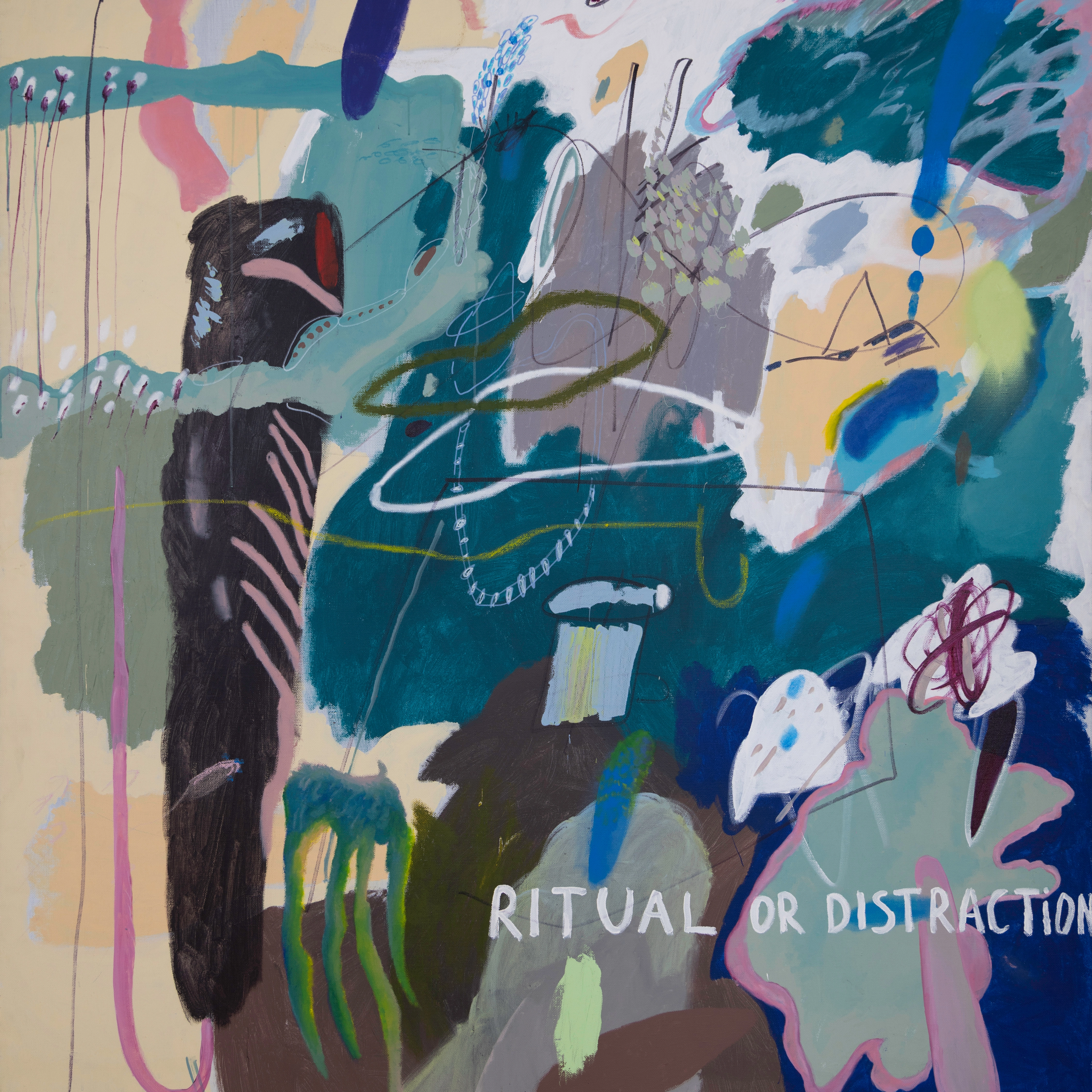
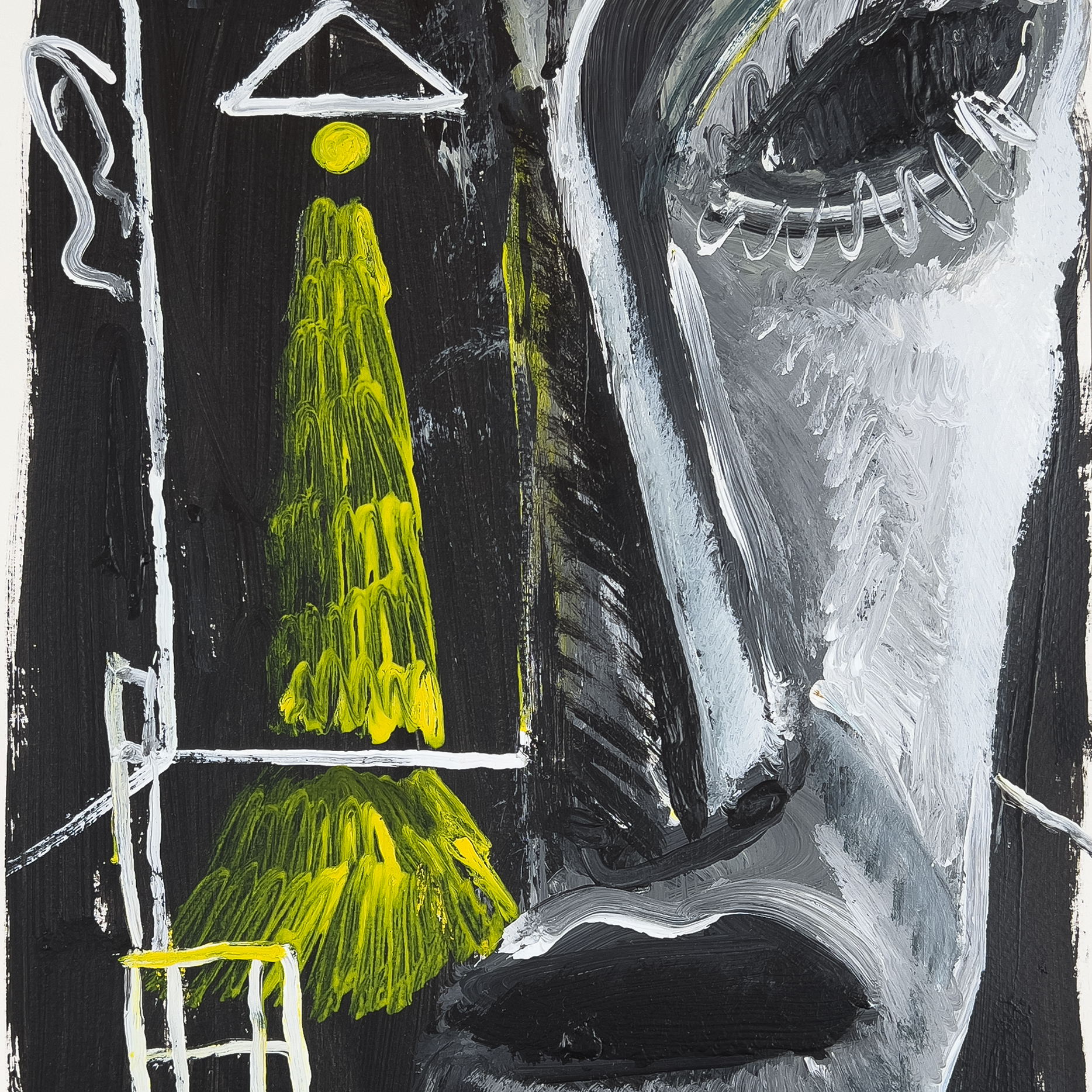

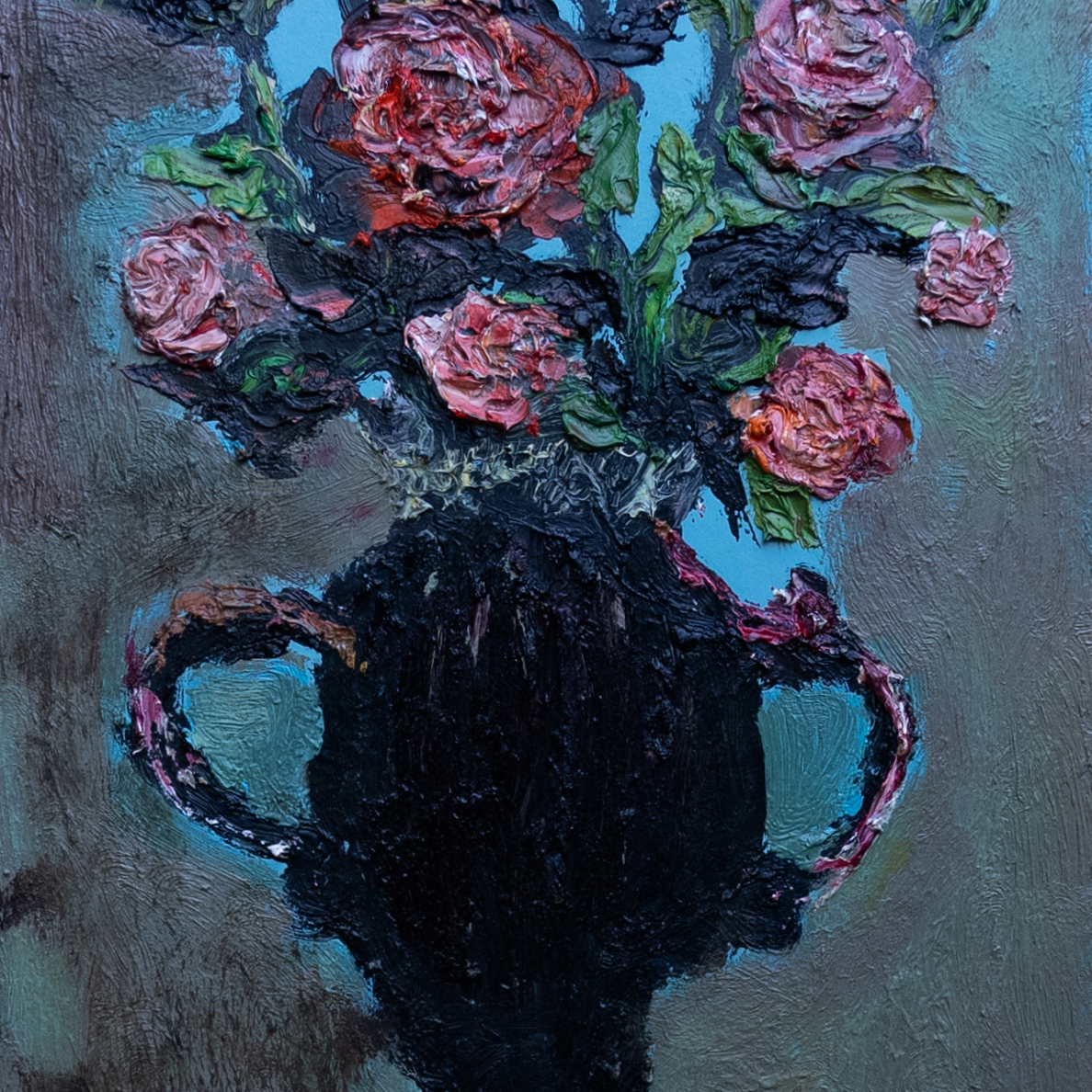
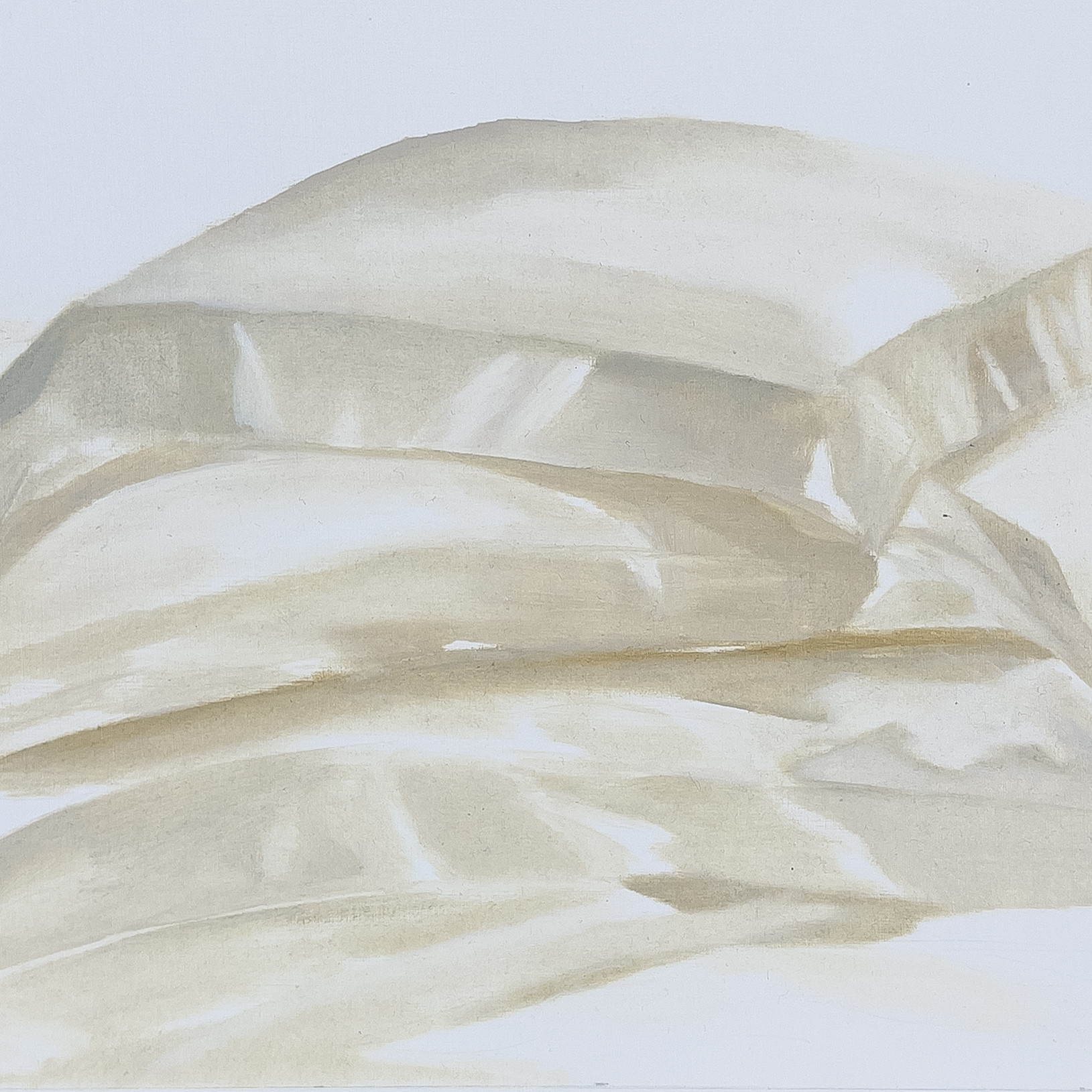
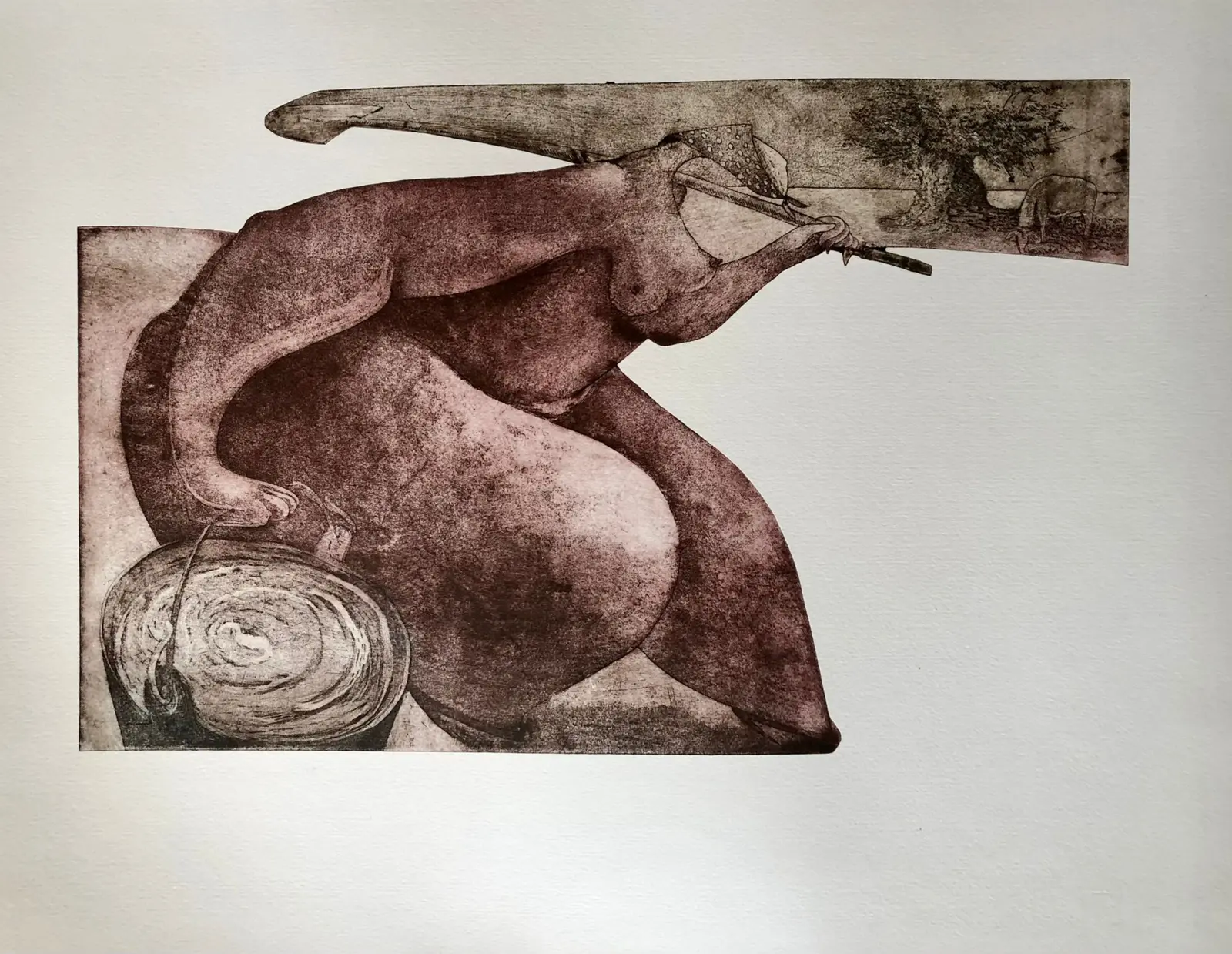
In the coming years, the curator anticipates continued international growth for artists from the Caucasus and Central Asia, driven by increased institutional exposure. More crucially, she hopes to see stronger local and regional markets take root. Sustainable artistic ecosystems, she concludes, cannot rely solely on “sporadic” international attention. They require collective effort, commitment, and an understanding that the groundwork being laid today will shape the region’s cultural future for decades to come. In parallel with this conversation, Lesley Gray has selected six works from our collection that resonate with her curatorial vision and complement the themes explored throughout the interview.