Every culture develops its own ways of carrying knowledge across generations. Archives, manuscripts, monuments, maps and collections preserve part of that inheritance. Across much of the human history, they have become the primary framework for tradition to be recorded, authenticated, and transmitted. Yet they have never carried it alone. Memory has always moved through people as much as through documents, through practice as much as through record.
Central Asia makes this especially visible. Over centuries, political borders shifted, empires expanded and collapsed, and communities were displaced, making the region one of continual transformations. Periods of censorship repeatedly exposed the limitations of official institutions as the sole guarantors of cultural continuity. What endured was the knowledge that remained in circulation within society.
Culture survived because it was practiced.
It lived in the body: in principles of weaving and embroidery, in preparation of food, in cultivation of land, in rituals of mourning and celebration, in buildings shaped by climate and terrain, in oral storytelling, music, craftsmanship, and the countless gestures through which one generation taught the next how to inhabit the world. These practices carried forms of social memory that no document could fully contain. They did not replace the archive; they expanded what an archive could be.
In the contemporary context, art extends this form of archiving. It creates a space for the knowledge to acquire continuity through collective and individual practices. Long before knowledge is recorded and catalogued, it is carried by the body and passed through human hands.
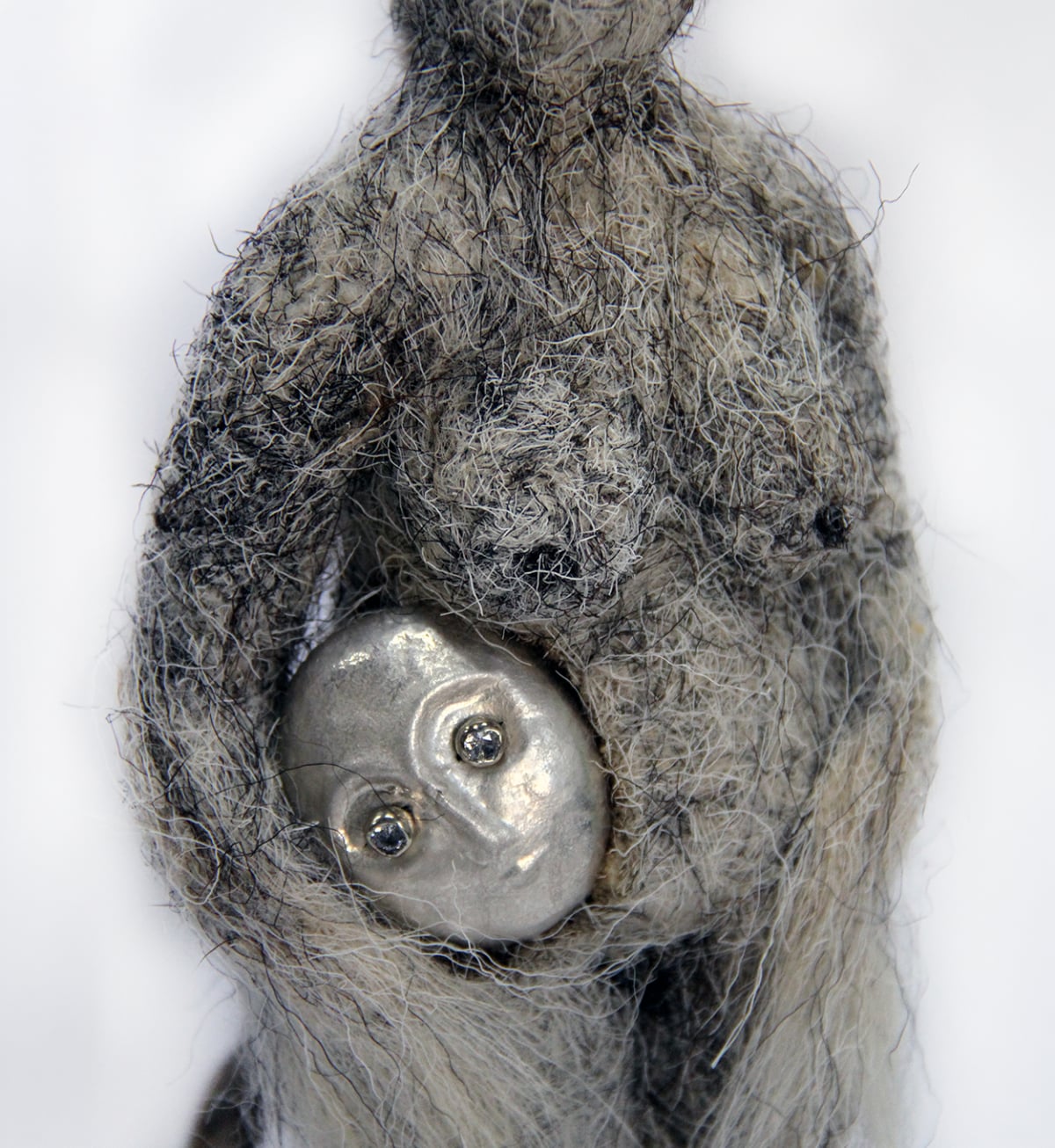
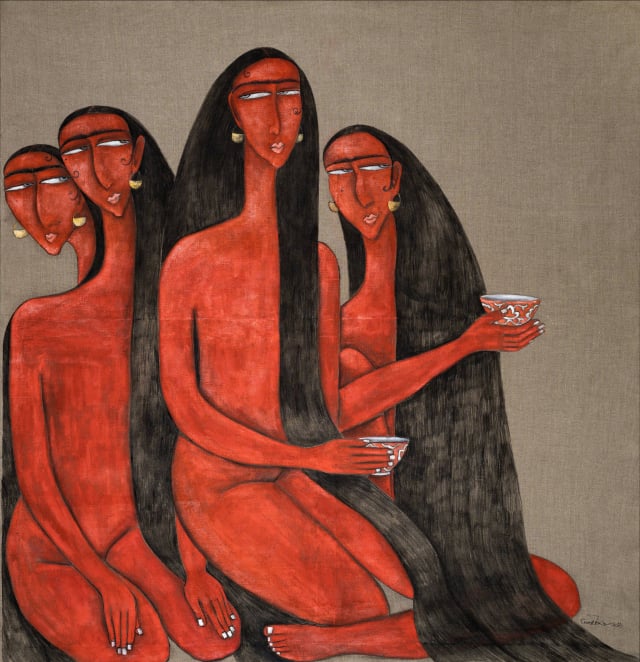
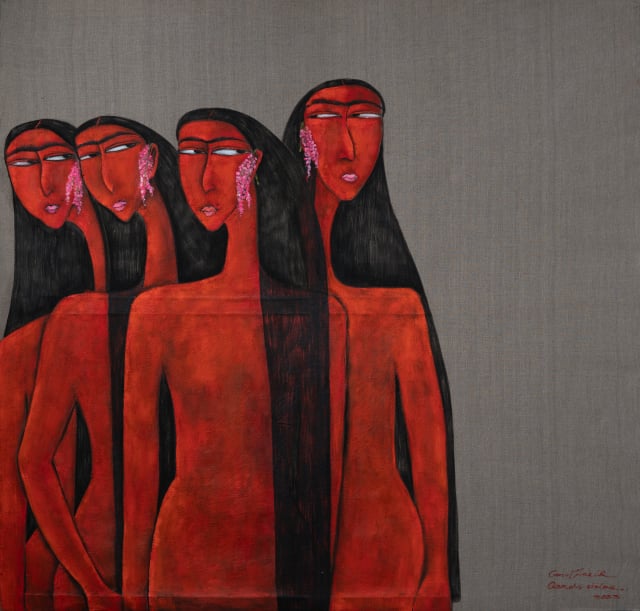

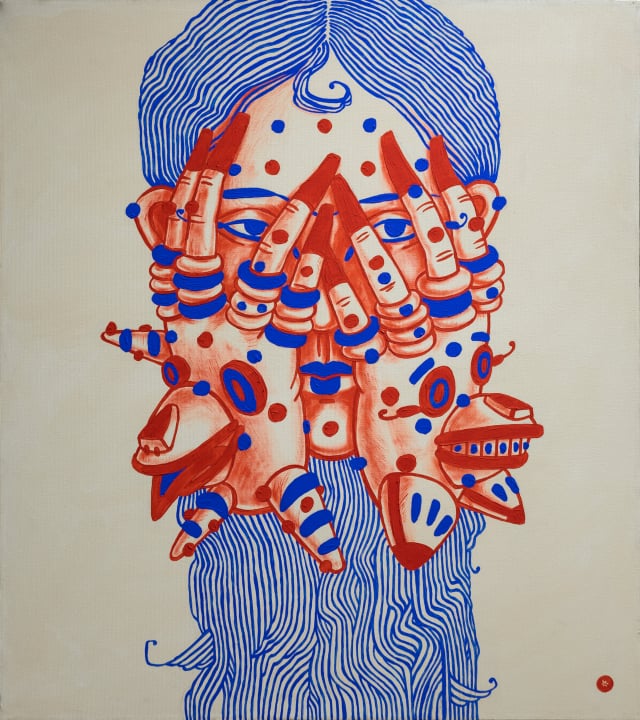
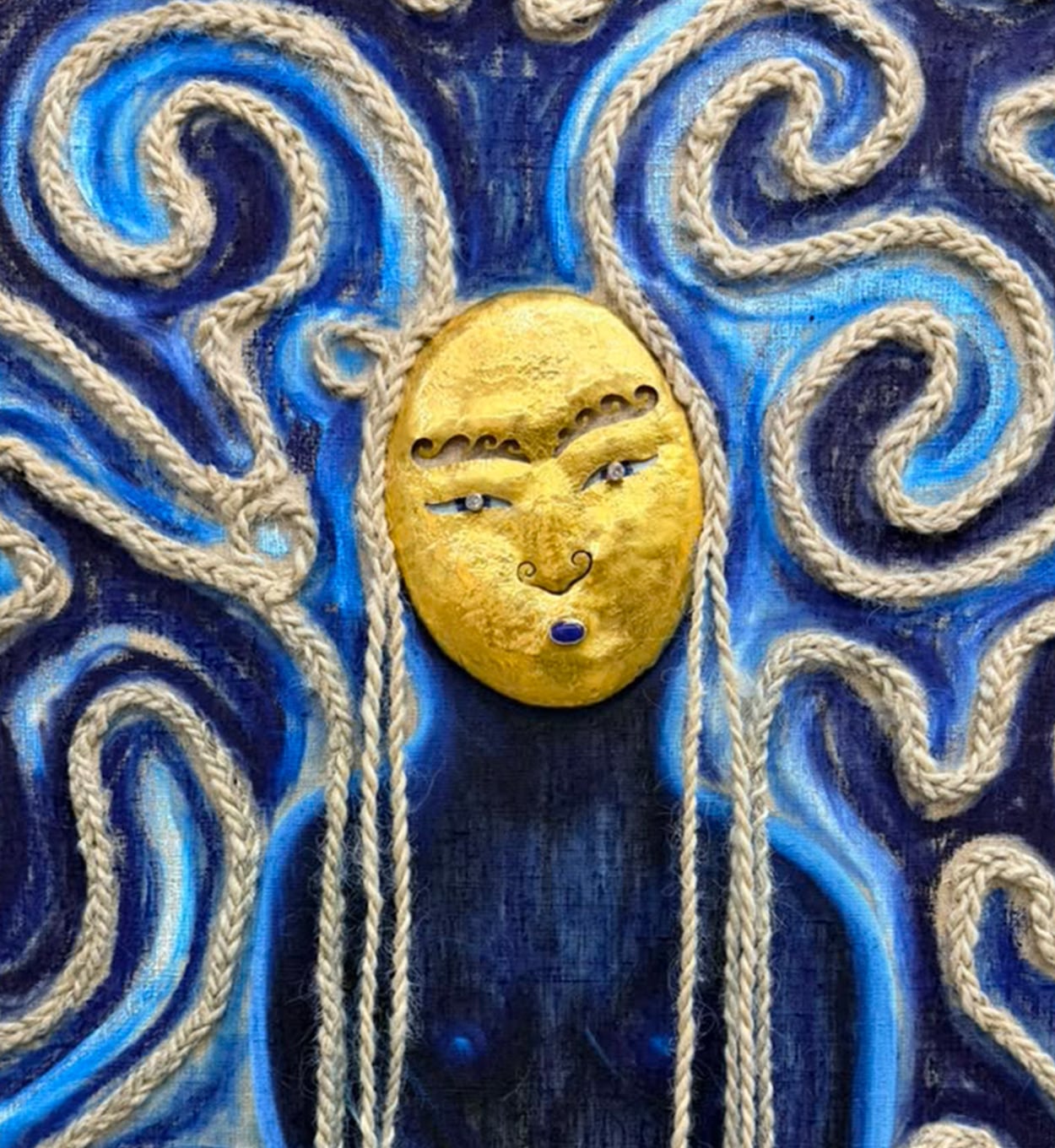
Featuring four prominent contemporary artists engaging with the cultural systems and traditions of Central Asia, ‘The Human Thread’ approaches contemporary art through this continuum.
Guzel Zakir, Huseyn Jalil, and Serafim Dim, alongside guest artist Altynai Osmo, engage deeply with the region through textile and embroidery practices, pigments and traditions of Eastern writing and painting, architectural and structural principles, oral traditions, rituals of everyday life, and forms of ecological knowledge rooted in local cultural practices. The works that emerge from this inquiry offer new ways of encountering the region itself — its landscapes, materials, and layered histories.